2026年02月05日
【EMBA】2025年秋学期 グローバル経営(リオデジャネイロ連邦大学ロベルト・ノゲイラ教授ご登壇)の講義が行われました
−ビジネス・エコシステムとシナリオ・プランニング:集中講座−
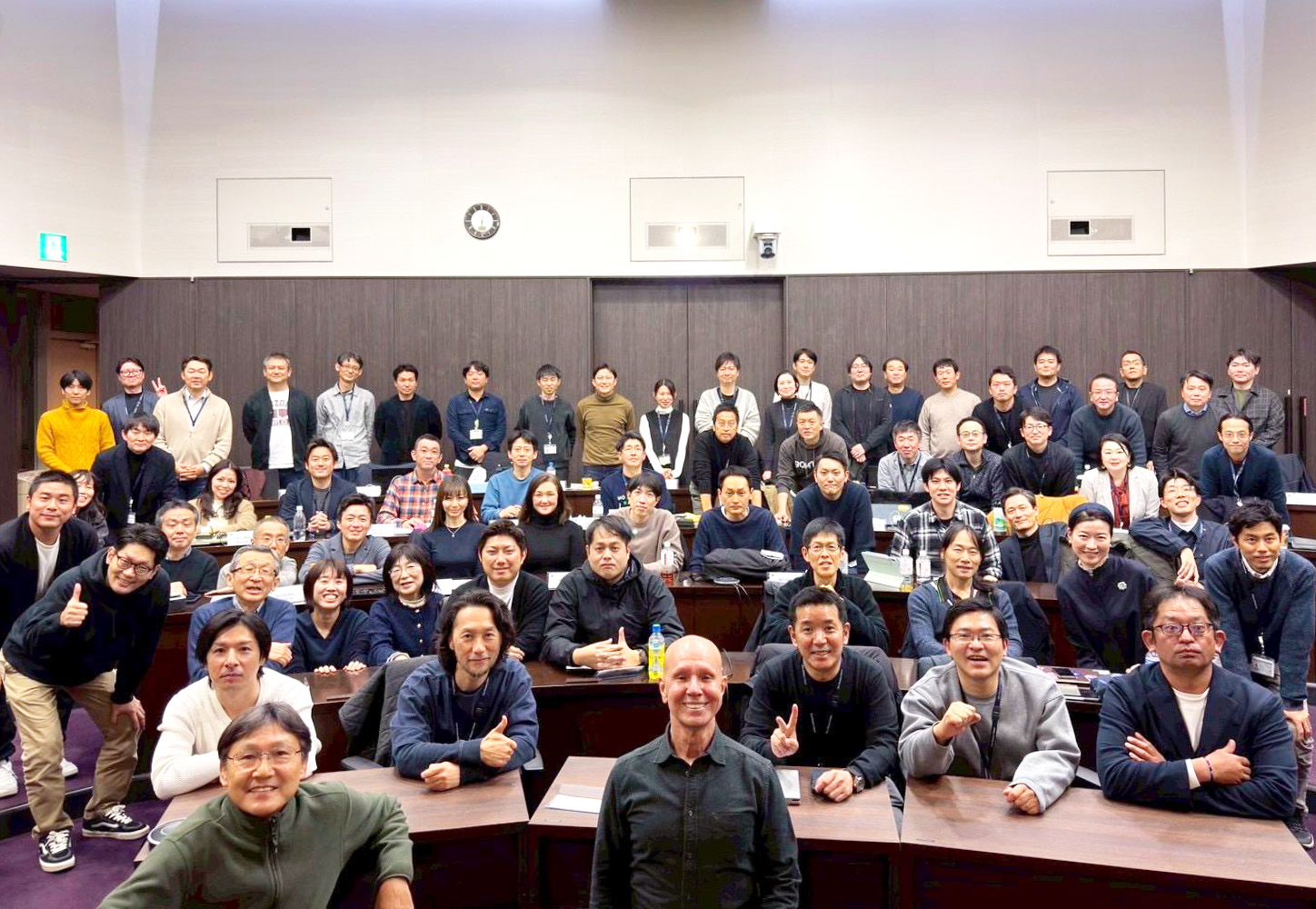
2025年12月12日(金)から14日(日)の3日間、EMBAカリキュラムの一科目として、リオデジャネイロ連邦大学(UFRJ)のロベルト・ノゲイラ教授による「グローバル経営」の講義が行われました。
「グローバル経営」科目は、KBSが加盟するビジネススクールの教育連携機構「EMBAコンソーシアム」に加盟している大学や、「海外フィールド」科目を通じて交流のある大学から講師を招き、ケース討論と講義を英語で行う集中講義です。国外の知識を伝授されることとは一線を画し、講師との討論を通じて自らの価値観を相対化し、新たな視座を見出すことを狙いとしています。毎年、多様なテーマ(例えば、異文化経営、グローバル・マーケティング、デジタル時代のラグジュアリー・ブランド・マネジメント、戦略とイノベーション等)の中から選択した経営課題が授業で扱われています。夏のボローニャ大学 リッカルド・シルヴィ教授の講義に引き続き、本年第2弾の開催で、ディスカッションや講義を通して「Business strategy」についての理解を深めました。
講義の冒頭では、まず戦略とイノベーションの本質に臨むにあたり、本講義の基礎となる考え方をNogueira教授よりレクチャーいただきました。新興技術(Emerging Technologies)が既存のビジネスモデルを急速に塗り替える現代においては、単なる知識の習得以上に、変化の兆しを捉えるための思考の枠組みが不可欠ということであり、講義ではその中核としての「エコシステムを通じたシステム思考」、「トレンドと不確実性を見極める力」、そして不確実な未来を複数のシナリオとして描き出す「シナリオ・プランニング」を提示いただきました。これらは、不確実性が高い時代を生き抜くための鍵であり、参加した学生が3日間の複雑なケースに取り組む上での思考の軸となりました。
初日の授業では、ビジネスの構造を俯瞰的に捉える「ビジネス・エコシステム」の概念と、新興技術が与えるインパクトについて議論を行いました。Nokiaのケースを通じ、かつての携帯電話王者がなぜiPhoneの台頭によってその地位を失ったのか、ハードウェアの品質という「製品」の視点に固執するあまり、ソフトウェアと補完財が織りなす「エコシステム」への転換を見誤った構造的要因を分析しました。
2日目は、不確実性を戦略的な選択肢に変えるための「シナリオ・プランニング」の手法を実践的に学びました。Modernaのケースでは、mRNA技術がいかにして製薬業界のエコシステムを再定義したかを検討し、続くTeslaのケースでは、自動車産業をエネルギーやソフトウェアを含む巨大なシステムとして再構築する戦略について、チームごとに「鍵となる不確実性」を軸としたシナリオ作成を行いました。
最終日は、宇宙産業の地平を切り拓くSpaceXのビジョンと、多惑星生存という壮大な目的が孕む不確実性について議論しました。3日間の総括として、Nogueira教授からは「業界の枠に囚われず、常にコンテキストを理解し、勇気を持って組織に変化を促すリーダーシップ」の重要性が語られました。分析ツールとしてのエコシステム・チャーティングやシナリオ・プランニングの習得を経て、学生一人ひとりが次世代のリーダーとしての視座を新たにし、集中講義を終え、とてもエキサイティングな3日間でした。今回の経営上の意思決定の重要性について、グローバルリーダーとして視野が広がる貴重な機会となりました。
E11 青木 謙一
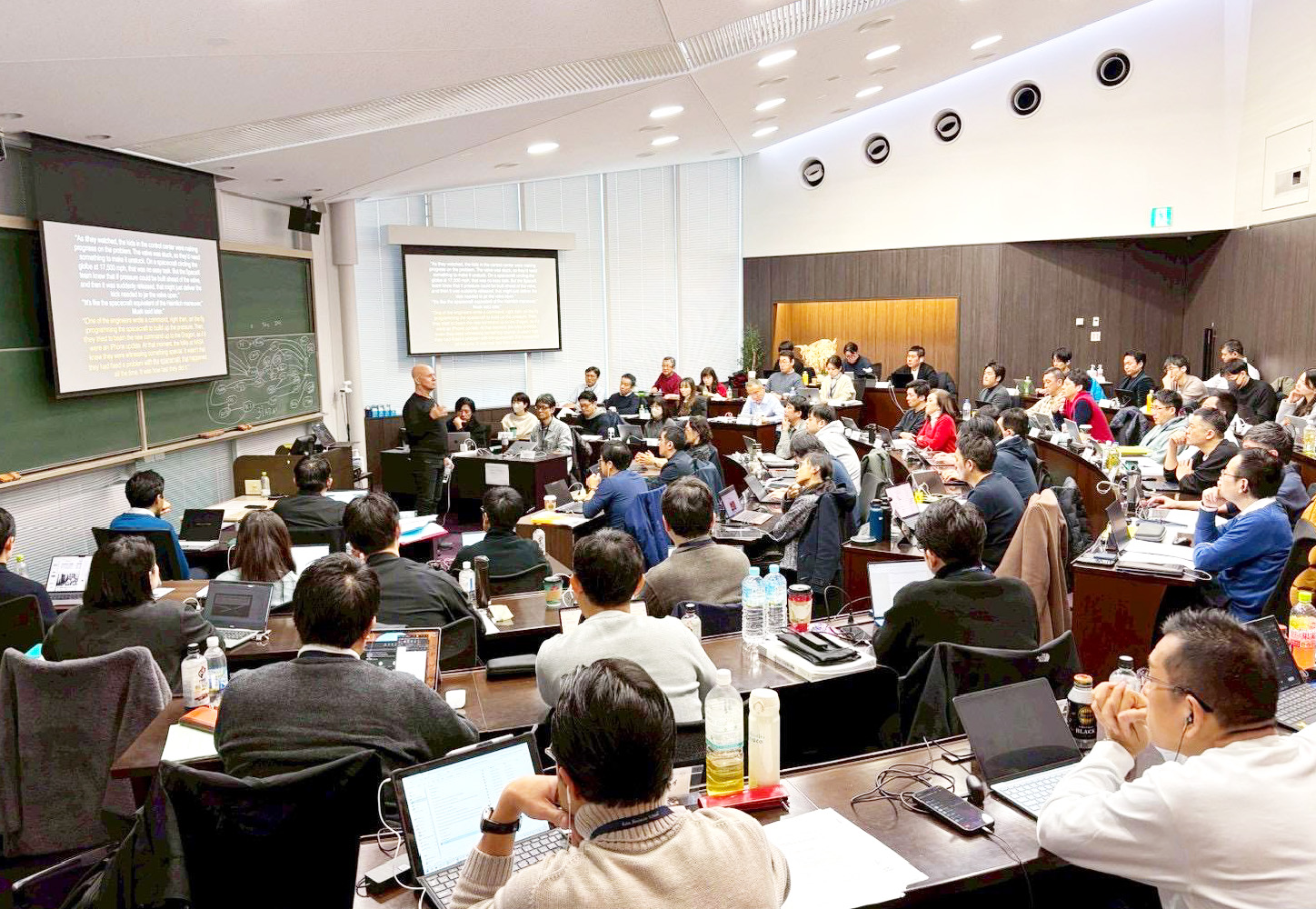
[EMBA] Autumn 2025 "Global Management Seminar" Held with Professor Roberto Nogueira of the Federal University of Rio de Janeiro (UFRJ)
- An Intensive Course on Business Ecosystem and Scenario Planning -
Professor Roberto Nogueira of the Federal University of Rio de Janeiro (UFRJ) taught a three-day course on "Global Management" as part of the EMBA curriculum from Friday, December 12th to Sunday, December 14th, 2025.
This intensive course, conducted in English, features case discussions and lectures from universities affiliated with the EMBA Consortium, an educational collaboration organization for business schools to which KBS belongs, as well as universities with which KBS has exchanges through its "Overseas Field" courses. Unlike simply being imparted with foreign knowledge, the course aims to encourage students to relativize their own values and discover new perspectives through discussions with the lecturer. Each year, the course covers management issues selected from a variety of themes (e.g., cross-cultural management, global marketing, luxury brand management in the digital age, strategy and innovation, etc.).Following Professor Riccardo Silvi's lecture in the summer, this second course of the year deepened students' understanding of "business strategy" through discussions and lectures.
Professor Nogueira began the lecture by explaining the fundamental concepts underlying the course, addressing the essence of strategy and innovation. In an era where emerging technologies are rapidly reshaping existing business models, a framework for identifying signs of change is essential, rather than simply acquiring knowledge. He presented the core concepts of "systems thinking through ecosystems," "the ability to discern trends and uncertainties," and "scenario planning," which visualizes an uncertain future as multiple scenarios. These concepts are key to surviving in times of high uncertainty and served as the foundation for the thinking of the participating students as they tackled complex cases over the three days.
On the first day of class, we discussed the concept of "business ecosystems," which provides a bird's-eye view of business structures, and the impact of emerging technologies. Using the case of Nokia, we analyzed why the former mobile phone king lost its position with the rise of the iPhone. We analyzed the structural factors that led to the company's overemphasis on a "product" perspective--the quality of its hardware--and its failure to recognize the shift to an "ecosystem" comprised of software and complementary goods. On the second day, students gained practical experience in "scenario planning," a method for transforming uncertainty into strategic choices. In the Moderna case, students examined how mRNA technology has redefined the pharmaceutical industry ecosystem. In the Tesla case, teams developed scenarios centered around key uncertainties for a strategy to restructure the automotive industry as a massive system that also encompasses energy and software.
On the final day, students discussed SpaceX's vision for pioneering the space industry and the uncertainties inherent in its ambitious goal of multi-planetary survival. In summarizing the three days, Professor Nogueira emphasized the importance of "leadership that transcends industry boundaries, always understands context, and courageously drives organizational change." After mastering ecosystem charting and scenario planning as analytical tools, each student left the intensive course with a renewed perspective as a next-generation leader. It was a truly exciting three days. This was a valuable opportunity to broaden our perspective as global leaders, focusing on the importance of business decision-making.
